Winter road crews don’t have much room for unexpected delays. When the weather calls for salt, trucks need to be ready, and the material needs to spread properly. One part that doesn’t always get enough attention is the chain inside the spreader. Putting off spreader chain replacement might seem harmless at first, but worn components can make an already busy workday more difficult.
Why Salt Spreader Chains Deserve More Attention
Most people don’t think much about the chain inside a salt spreader until something stops working. It’s not the most noticeable component, but it has an important job. Spreader chains carry salt through the hopper toward the discharge system. Without consistent movement, the spreader may have trouble delivering the expected amount of material.
The tricky part? A worn chain doesn’t always stop working immediately. It might continue moving while showing signs of elongation or corrosion. That makes regular inspections important, even when the spreader appears to be operating normally.
What Happens When You Wait Too Long?
Picture a truck halfway through its assigned route. The operator notices that salt isn’t feeding as consistently as it was earlier. Now there’s a decision to make. Continue working, stop to inspect the spreader, or return for maintenance?
Not one of those options is particularly convenient during a winter response. A worn chain isn’t necessarily responsible for every feeding problem. However, it’s one of the components worth checking when material delivery changes.
Over time, chain wear can contribute to:
- Irregular movement through the hopper
- Inconsistent material feeding
- Additional inspections during scheduled routes
- Unexpected maintenance interruptions
These problems may start small. Unfortunately, winter operations aren’t always forgiving when equipment needs attention.
How Can You Tell When a Chain Is Wearing Out?
We always encourage customers to pay attention to what their equipment is telling them. That doesn’t mean waiting until something breaks. Start by checking for visible corrosion, damaged links, or excessive chain elongation. Watch for irregular movement during operation, too.
Operator feedback matters just as much. Someone who uses the same spreader regularly may notice changes in material delivery that aren’t immediately obvious during a routine inspection. And remember, not every issue requires a new chain. Other spreader components can affect material flow. The important thing is identifying the actual problem before deciding what needs replacing.
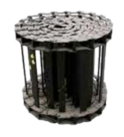
Why Planned Replacement Usually Makes More Sense
Nobody enjoys taking a truck out of service, especially when winter work is piling up. Still, scheduling maintenance during a convenient window is generally easier than dealing with an unexpected interruption. That’s why we recommend making chain inspections part of regular equipment checks.
If a chain shows significant wear, don’t assume it can make it through another season simply because it’s still moving. Timely spreader chain replacement gives crews an opportunity to address a known problem before it becomes a bigger inconvenience.
Choosing the Right Spreader Chain Manufacturer
Finding a replacement shouldn’t involve guessing which part will fit. A dependable spreader chain manufacturer should provide clear product information and consistent manufacturing quality. Before ordering, check the spreader’s make, model, and required chain specifications.
Two chains may look similar without being interchangeable. Confirming compatibility ahead of time can save a frustrating return or another maintenance delay. At United Rotary Brush, we understand that customers want dependable replacement parts without an unnecessarily complicated purchasing process. Our goal is to make finding the correct component straightforward.
A Little Preparation Goes a Long Way
There are a few things fleet managers can do before winter gets busy. First, review previous maintenance records. If a truck has experienced recurring material feeding problems, its chain deserves a closer inspection. Next, check replacement part availability. Waiting until a component fails isn’t the best time to discover that the correct part needs to be ordered. Finally, make sure operators know which performance changes should be reported.
When comparing spreader chain sales options, availability and correct fitment are worth considering alongside price. United Rotary Brush regularly supplies products through dealer networks, providing customers with established purchasing channels for replacement components.
Why Experience Matters
We’ve worked in the replacement equipment parts industry for decades, and we know that customers value straightforward answers. Whether someone needs tube brooms for a separate sweeping application or replacement chains for a salt spreader, understanding the equipment and ordering the correct product matters. These are different product categories, each with its own purpose. For winter maintenance crews, dependable salt spreader components help make an unpredictable season a little easier to manage.
Conclusion
It’s easy to overlook a chain that’s still moving. But visible wear, corrosion, or inconsistent feeding shouldn’t be ignored. Regular inspections and timely spreader chain replacement help maintenance teams stay ahead of avoidable problems. The best time to address a worn component is usually before the next winter event, not halfway through a route when every truck is needed.
Frequently Asked Questions
Can a Worn Salt Spreader Chain Cause Uneven Salt Distribution?
Yes. If a worn chain isn’t moving material consistently through the hopper, the amount reaching the discharge system may vary. Other components can cause similar problems, so it’s important to inspect the spreader before assuming the chain needs replacing.
Should Salt Spreader Chains Be Inspected Before Every Winter Season?
Absolutely. A pre-season inspection is a good opportunity to check for corrosion, damaged links, and excessive wear. Regular checks during the season are important as well, particularly for equipment that sees frequent use. Always follow the spreader manufacturer’s inspection and safety recommendations.
Is It Better to Replace a Worn Chain Before It Breaks?
Generally, yes. When inspection shows that a chain has reached its replacement point, scheduling the work ahead of time can help avoid unexpected interruptions. A chain doesn’t have to break completely before wear begins affecting its performance.
At United Rotary Brush, keeping sweepers sweeping shouldn’t be complicated. You don’t need confusing specs or slow turnaround times. We’ve been providing top quality rotary brooms to our customers for over 35 years, and we know what works. Need strip brooms, gutter brooms, or plow blades that hold up under pressure? We’ve got you covered. No clutter. No guesswork. Just reliable parts built to last.
Ready to get your machines rolling again? Call us at 800‑851‑5108 or send a message via our Contact Us page. We’ll handle the rest.

We provide you with the answers and solutions you need by utilizing our sales team’s 80+ years of combined industry knowledge. Our manufacturing teams are world-class and strategically located to meet your regional needs. We repeatedly set the industry standard for quality, value, and service. United Rotary Brush Corporation is headquartered in Olathe, Kansas.
Our team ensures consistent product performance, quality, and availability. You can count on United Rotary Brush to stand behind everything we do and to honor our commitments.
We are your source for spreader chain sales, sweeper brooms, and so much more!
