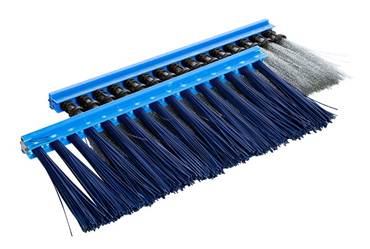
Snow removal at airports follows a clear process. Crews have to move quickly, but they also need consistency. Every pass matters. That’s where airport cassettes come into play. These brooms help support the equipment used during snow removal so runways can stay clear and open.
A few key parts of that system include:
• Plows removing bulk snow
• Brooms clearing remaining snow and slush
• Equipment components that support steady performance
When all parts work together, operations stay on track.
Why Snow Removal Systems Need Structure
Airport snow removal isn’t random. It follows a sequence. First, plows remove the bulk snow from the runway. This clears the surface enough for the next step. After that, airport brooms perform finish work by removing snow and slush down to the pavement.
That final pass is critical. Even small amounts of remaining material can affect runway conditions.
This is where airport cassettes fit into the system. They support the broom equipment used during this stage. When that support is consistent, crews can maintain steady clearing results across the entire runway.
How Airport Cassettes Support Broom Performance
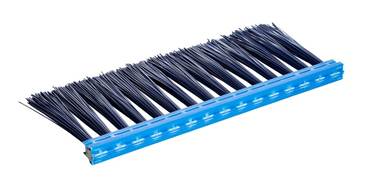
Airport cassettes are heavy-duty brushes that are mounted onto the large rotating drums of airport runway sweepers and snow brooms. During snow removal, broom systems must maintain durability across long stretches of runway. The equipment runs continuously, often under demanding conditions.
Airport cassettes are part of that system. They help support broom performance so snow and slush can be cleared evenly.
When equipment performs the same way across each pass, crews can:
• Maintain steady clearing results
• Avoid repeated passes
• Keep operations moving
Consistency matters. It allows crews to focus on clearing runways instead of adjusting equipment during the job.
The Connection Between Cassettes and Finish Work
Finish work is where the difference is made. Plows handle the heavy lifting, but broom systems complete the process.
Airport runway cassettes support that final stage. They help maintain stable performance as brooms remove remaining snow and slush from the pavement.
When that system works as expected, runway surfaces are cleared more efficiently. Crews can move through the process without delays.
Without that level of support, finish work can slow down. That can lead to extra passes or inconsistent clearing.
Why Consistency Matters Across the Runway
Runways are large surfaces. But small inconsistencies on the runway can add up quickly.
That’s why airport cassettes are important. They help maintain steady performance across the full length of the runway.
When components work effectively, crews can:
• Maintain efficient clearing patterns
• Keep snow removal operations moving
• Avoid unnecessary adjustments
Consistency across each pass keeps the system working as intended.
Monitoring Wear and Planning Ahead
Like any working component, airport runway cassettes experience wear over time. That’s expected with repeated use during snow events. What matters is staying ahead of it.
Maintenance teams often monitor equipment during inspections. When wear reaches a certain point, it may be time to plan replacement.
This is where runway cassettes come into the conversation. Planning ahead helps ensure that equipment continues to perform when it’s needed most.
Replacing components before performance drops helps crews maintain steady clearing operations throughout the season.
Why Manufacturing Quality Plays a Role
Not all components perform the same once installed. Manufacturing quality affects how well equipment holds up during repeated use.
A dependable approach to production helps ensure that airport cassettes perform reliably in the field.
At United Rotary Brush, we focus on building components that maintain durability throughout their service life. Consistent materials, controlled production standards, and quality control help support steady equipment performance.
That reliability matters when crews are working to keep runways clear during snow removal operations.
How Preparation Supports Snow Removal Success
Snow removal doesn’t start when the storm hits. It starts long before.
Maintenance teams prepare equipment ahead of time. They inspect broom systems, review component condition, and plan replacements where needed.
Airport runway cassettes are part of that preparation. Ensuring these components are in good condition helps crews respond quickly when snow arrives.
Preparation helps:
• Reduce equipment delays
• Maintain steady clearing operations
• Keep runways open and ready
Being ready ahead of time makes all the difference.
Reliable Systems Keep Runways Open
At the end of the day, snow removal is about keeping runways clear and open. Every part of the system plays a role in making that happen.
Airport cassettes support broom systems during the final stage of clearing. That support helps crews remove snow and slush down to the pavement after plows have done their job.
When equipment works consistently, operations run smoothly. Crews can complete clearing without unnecessary delays.
With the right components in place, strong preparation, and a focus on reliability, airport snow removal systems can stay efficient throughout the season.
At United Rotary Brush, keeping sweepers sweeping shouldn’t be complicated. You don’t need confusing specs or slow turnaround times. We’ve been innovating rotary brooms for over 80 years, and we know what works. Need tube brooms, gutter brooms, strip brooms, or airport runway wafers that hold up under pressure? We’ve got you covered. No clutter. No guesswork. Just reliable parts built to last.
Ready to get your machines rolling again? Call us at 800‑851‑5108 or send a message via our Contact Us page. We’ll handle the rest.

We provide you with the answers and solutions you need by utilizing our sales team’s 80+ years of combined industry knowledge. Our manufacturing teams are world class and strategically located to meet your regional needs. We repeatedly set the industry standard for quality, value, and service. United Rotary Brush Corporation is headquartered in Olathe, Kansas.