Winter operations depend on one thing above all else—control. Crews need to know that material is moving the way it should. When that changes, it’s usually not random. In many cases, spreader chains are part of the reason. When they start to wear, material distribution can shift without much warning.
A few things crews rely on every day:
• Steady material movement
• Consistent application rates
• Reliable equipment performance
When those start to slip, it’s time to take a closer look.
Why Material Distribution Matters
Spreading isn’t just about moving material. It’s about moving it evenly.
Salt and sand need to travel through the hopper at a steady pace. That’s what keeps coverage consistent across the roadway.
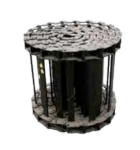
Spreader chains are responsible for that movement. They carry material from the hopper toward the distribution system. When they’re working properly, material flow stays steady.
When they’re not, things can change quickly.
Early Signs Something Is Off
Most equipment issues don’t show up all at once. They start small.
With spreader chains, crews often notice subtle changes before anything major happens.
One of the first signs is inconsistent material movement. Material may not move through the hopper as smoothly as it should. It might seem slower in some areas and faster in others.
Another sign is uneven distribution during application. Coverage may not look as consistent across the road.
These early changes are easy to overlook, but they usually point to wear beginning to affect performance.
Irregular Material Flow Inside the Hopper
When spreader chains begin to wear, material flow inside the hopper can become uneven.
Instead of moving steadily, material may bunch up or move inconsistently. That affects how it reaches the distribution system.
Crews may notice:
• Material hesitating before moving forward
• Uneven flow patterns inside the hopper
• Slower overall material movement
These issues can affect how evenly salt or sand is applied during routes.
Increased Adjustments During Operation
Another sign is the need for more adjustments.
Operators may find themselves making small changes more often to keep material moving correctly. That’s usually a signal that the system isn’t working the way it normally does.
When spreader chains are in good condition, they don’t require constant attention.
Frequent adjustments often point to wear that is starting to affect performance.
Visible Wear During Inspection
Routine inspections are important. They often reveal what’s happening before performance drops too far.
With spreader chains, visible wear can show up as changes in overall condition. Maintenance teams may notice that components don’t look the same as they did during earlier inspections.
This is usually a good time to start thinking about spreader chain replacement.
Catching wear early helps crews plan ahead instead of reacting during active routes.
Why Timing Matters for Replacement
Waiting too long can create bigger problems. As wear progresses, material movement becomes less consistent. That can lead to uneven application or slower routes.
Scheduling spreader chain replacement at the right time helps restore consistent material flow. It also helps prevent unexpected downtime during winter operations.
Proactive replacement is always easier to manage than emergency repairs.
The Role of Manufacturing Quality
Not all chains perform the same. The way they’re built plays a role in how they perform over time.
A dependable spreader chain manufacturer focuses on consistent materials and controlled production processes. That helps ensure chains perform consistently once installed.
At United Rotary Brush, we focus on producing components that support reliable performance in the field. Consistency in manufacturing helps crews maintain steady operations without unnecessary surprises.
How Wear Affects Overall Operations
When spreader chains begin to affect material distribution, the impact shows up across the entire route.
Crews may notice:
• Slower application rates
• Inconsistent coverage
• More time spent adjusting equipment
These issues don’t just affect performance—they affect efficiency. Keeping chains in good condition helps maintain steady operations from start to finish.
Staying Ahead with Routine Maintenance
The best way to avoid distribution issues is to stay ahead of them.
Routine inspections help crews monitor wear and identify changes early. That makes it easier to plan spreader chain replacement before problems develop.
A proactive approach helps:
• Maintain consistent material flow
• Reduce unexpected delays
• Keep winter routes on schedule
Small steps during maintenance can prevent bigger issues later.
Consistent Material Flow Starts with Reliable Chains
At the end of the day, material distribution depends on steady movement through the system.
Spreader chains play a direct role in that process. When they perform consistently, crews can maintain reliable application across every route.
Recognizing early signs of wear, planning spreader chain replacement, and working with a dependable spreader chain manufacturer all help support efficient winter operations. And when material flows the way it should, everything else tends to fall into place.
At United Rotary Brush, keeping sweepers sweeping shouldn’t be complicated. You don’t need confusing specs or slow turnaround times. We’ve been innovating rotary brooms for over 80 years, and we know what works. Need plow blades, road brooms, or street sweeper brooms that hold up under pressure? We’ve got you covered. No clutter. No guesswork. Just reliable parts built to last.
Ready to get your machines rolling again? Call us at 800‑851‑5108 or send a message via our Contact Us page. We’ll handle the rest.

We provide you with the answers and solutions you need by utilizing our sales team’s 80+ years of combined industry knowledge. Our manufacturing teams are world class and strategically located to meet your regional needs. We repeatedly set the industry standard for quality, value, and service. United Rotary Brush Corporation is headquartered in Olathe, Kansas.
Our team ensures consistent product performance, quality, and availability. You can count on United Rotary Brush to stand behind everything we do and to honor our commitments.