Winter road maintenance depends on a lot of moving parts, and some of the most important ones aren’t particularly complicated. Spreader chains are a good example. They keep salt and sand moving through the spreader so crews can treat roads when winter weather arrives. A dependable spreader chain company helps fleets keep those systems ready when they’re needed most.
What Do Spreader Chains Actually Do?
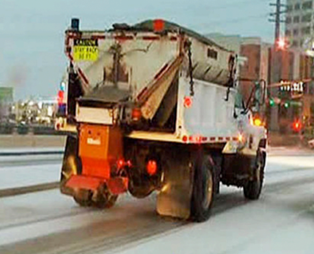
Inside a salt or sand spreader, material has to move from the hopper toward the distribution system. That’s where the chain comes in. Spreader chains carry material through the hopper so it can reach the spreading mechanism and ultimately be applied to the roadway. It sounds like a fairly basic job. During a winter storm, though, it’s an important one.
If material isn’t moving properly, the truck can’t distribute salt or sand as intended. That can slow a route and leave the operator trying to figure out what’s happening while the equipment should be working. For crews responsible for winter roads, that’s not an ideal situation.
Why Does Consistent Material Flow Matter?
Think about what a spreader does during a normal winter route. The truck may spend hours treating road after road while the chain continuously moves material. That movement needs to remain dependable. When the chain is in good condition and the spreader is properly maintained, salt or sand can move steadily toward the distribution system. As components wear, operators may begin noticing changes.
Maybe material flow doesn’t look quite the same. Perhaps the system needs more attention than it did earlier in the season. Those little changes are worth noticing. They don’t necessarily mean the chain needs to come off immediately, but they give crews a reason to inspect it before a small concern turns into a mid-storm problem.
How Does Manufacturing Affect Chain Performance?
Winter maintenance equipment doesn’t get an easy assignment. Chains repeatedly move abrasive materials such as salt and sand. That’s why consistent construction matters when choosing replacements. A reliable spreader chain manufacturer should understand the application and produce products with consistent materials and manufacturing standards.
United Rotary Brush has been a spreader chain company for more than 35 years, and our staff brings more than 80 years of combined industry experience to the company. We’ve learned that customers generally aren’t looking to make purchasing more complicated. They want the right component, dependable availability, and knowledgeable help when questions come up. That becomes especially valuable during winter preparation, when fleets may be checking several pieces of equipment at once.
When Should a Spreader Chain Be Replaced?
There isn’t much benefit in waiting for a chain to fail before thinking about replacement. Instead, maintenance crews can inspect chain condition as part of their normal equipment checks. Look for visible wear and pay attention to changes in material movement. Operator feedback helps here, too. The person running the truck knows how the spreader normally behaves.
If something suddenly feels or performs differently, take a look. Planning spreader chain replacement ahead of time allows the maintenance department to get the correct product on hand and choose when the work gets done. That’s considerably easier than trying to locate a replacement during an active weather event.
Why Is Preseason Inspection Worth the Time?
A lot can happen between winter seasons. Equipment may sit for extended periods, and maintenance departments usually have plenty of other machinery competing for their attention. Before snow and ice become a concern again, spreaders deserve a careful look. Inspect the chain. Run the equipment. Make sure material can move through the system as expected.
If replacement looks likely, deal with it then. This also gives purchasing departments time to research spreader chain sales instead of placing an urgent order after the season has already started. A little preparation in the shop can prevent a much more inconvenient problem on the road.
What Should You Know Before Ordering?
Start with the spreader. Knowing the equipment manufacturer, model, and current chain information makes it much easier to identify the correct replacement. Don’t assume that a chain that looks similar is automatically the right one. This is where an experienced spreader chain company can be useful.
A knowledgeable supplier can work from the equipment information and help narrow down what the fleet actually needs. That saves time for maintenance teams and reduces some of the guesswork involved with replacement purchasing. Product availability matters, too. Winter weather doesn’t wait for a convenient delivery schedule.
Why Does Planning Ahead Make Such a Difference?
Most fleet managers would rather replace a normal wear component in the shop than deal with it on the side of a winter route. That’s really what proactive maintenance comes down to. Inspect equipment while you have time. Keep records of what you’re using. Listen when operators report changes. And when replacement is approaching, get the correct component lined up before the situation becomes urgent.
United Rotary Brush regularly sells through dealer networks, which gives fleets another way to find the products they need through local equipment suppliers. For larger operations with multiple spreaders, that kind of planning can make winter maintenance considerably less stressful.
Small Component, Important Job
Spreader chains aren’t the most noticeable part of a winter maintenance truck, but the work they perform matters every time material moves through the hopper. Without dependable chain movement, salt and sand can’t reach the spreading system as intended. That’s why choosing an experienced spreader chain company and staying ahead of normal wear makes sense. Inspect the equipment, watch how material is moving, and schedule replacement before a worn component becomes an emergency.
At United Rotary Brush, keeping sweepers sweeping shouldn’t be complicated. You don’t need confusing specs or slow turnaround times. We’ve been innovating rotary brooms for over 35 years, and we know what works. Need strip brooms, gutter brooms, or plow blades that hold up under pressure? We’ve got you covered. No clutter. No guesswork. Just reliable parts built to last.
Ready to get your machines rolling again? Call us at 800‑851‑5108 or send a message via our Contact Us page. We’ll handle the rest.

We provide you with the answers and solutions you need by utilizing our sales team’s 80+ years of combined industry knowledge. Our manufacturing teams are world class and strategically located to meet your regional needs. We repeatedly set the industry standard for quality, value, and service. United Rotary Brush Corporation is headquartered in Olathe, Kansas.
Our team ensures consistent product performance, quality, and availability. You can count on United Rotary Brush to stand behind everything we do and to honor our commitments.