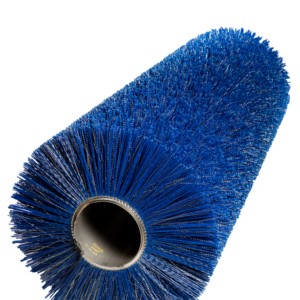
When it comes to street and runway sweeping, efficiency depends on more than just horsepower. The real work happens at ground level. Right where the broom meets the surface. That’s why having a solid wafer broom in place, and knowing when and how to replace it, makes all the difference.
We’ve seen how a neglected broom can slow down a job. We’ve also seen how staying on top of your wafer broom replacement schedule can help keep your fleet moving and your streets clean.
So, what should operators know before the next broom change? Let’s walk through the basics that matter.
Understanding What Wafer Brooms Actually Do
Wafer brooms do more than just sweep. They break up compacted debris, sweep dirt from hard-to-reach areas, and help finish the job with. These wafer brooms are often installed on sweepers for roadwork, construction cleanup, snow removal, and airport runway sweeping.
Because they’re positioned as the primary surface contact point, wafer brooms take a lot of abuse. Asphalt, concrete, gravel, salt, and sand all wear them down over time. And once that happens, performance starts to drop fast.
Knowing how they work gives you a better understanding of why maintenance and replacement aren’t optional. They’re essential.
Why Timing Your Wafer Broom Replacement Matters
Wafer brooms don’t last forever. The bristles wear down, and over time, you start losing the flexible contact needed to remove debris in a single pass. When this happens, your sweeper becomes less efficient. Routes take longer. Results aren’t as expected.
The key is to replace brooms before they become a problem. Not after. That doesn’t mean swapping them at the first sign of wear. But it does mean keeping an eye on performance, visual wear, and how often your operators need to double back over the same area.
By timing your wafer broom replacement correctly, you reduce downtime, avoid surprises, and maintain the results your clients expect.
Visual Cues Every Operator Should Watch For
Not sure when to make the switch? Your broom will usually tell you. Watch for these signs:
The filament no longer flicks the debris and it takes more passes to sweep the pavement clean. Generally when the filament is 60% shorter than new.
As a top wafer broom manufacturer, we encourage teams to do a quick broom inspection during pre-shift checks. It doesn’t take long, and it helps catch small issues before they become big problems. When you know what to look for, you’ll stay ahead of unexpected failures.

Choosing the Right Replacement Broom
There are a lot of brooms out there. But not all of them perform equally.
When selecting a wafer broom replacement, don’t just look at the price tag. Think about durability, bristle material, and whether it’s built to match your machine’s make and model.
As a trusted wafer broom manufacturer, we design our brooms to meet the highest standards for all sweepers and attachments on the market. That way, your replacement installs correctly the first time and gets right to work. No adjustments needed.
Compatibility and quality go hand in hand. The better the fit, the smoother the sweep.
The Role of Maintenance Between Replacements
Operators can extend the life of a broom with the right habits. That includes keeping the broom raised when not in use, avoiding excessive down pressure, and checking mounts regularly.
Even a high-quality broom will wear down quickly if it’s dragged unnecessarily or overloaded on rough surfaces. Good habits stretch your investment. Poor habits shrink it.
When we talk about wafer brooms, we’re not just talking about the product. We’re talking about how it’s used day after day.
Don’t Mix and Match Without a Plan
One thing we’ve noticed in the field is that some teams mix old and new wafers. While that might work short-term, it can cause uneven wear, shaking, or off-balance rotation.
Why the Right Wafer Broom Matters for Different Conditions
Different jobs call for different brooms. For example, cold-weather applications might require poly bristles, while compacted debris would require a mix of poly and wire.
That’s why it’s important to match your wafer broom replacement with the right bristle type. Whether that’s polypropylene, wire, or a combo. Choosing the right style not only improves performance but helps avoid premature wear from incompatible surfaces.
If you’re ever unsure, we’re always here to guide you toward the best fit for your sweeper and application.
Conclusion
At United Rotary Brush, we believe that operators deserve tools that work right, last long, and help them get the job done efficiently. That’s why our wafer brooms are built to perform, and our wafer broom replacement products are built to fit.
Every operator should know what to look for, how to spot the signs of wear, and when to make the switch. By staying informed and choosing a reliable wafer broom manufacturer, you can keep your sweeper fleet running strong all year long.
Contact United Rotary Brush today for high-quality street sweeping and runway sweeping solutions! Our team is here to help you stay ahead of winter with the best in brooms, brushes, and spreader chains.

At United Rotary Brush, keeping sweepers sweeping shouldn’t be complicated. You don’t need confusing specs or slow turnaround times. We’ve been innovating rotary brooms for over 80 years, and we know what works. Besides our own high-quality URB wafers, we offer Laymor wafers, Paladin wafers, and Virnig wafers that hold up under pressure.
We’ve got you covered. No clutter. No guesswork. Just reliable parts built to last.
Ready to get your machines rolling again? Call us at 800‑851‑5108 or send a message via our Contact Us page. We’ll handle the rest.